

On July 9, 2026, the U.S. Department of Commerce opened the first expedited sunset review of the anti-dumping and countervailing duty orders covering cold-formed steel products from China. For companies tied to U.S.-bound steel trade, this is not just a procedural update: it affects how importers assess future clearance costs, how suppliers maintain compliance access, and how Chinese exporters protect their eligibility over the next several years.
What Has Been Formally Put Under Review
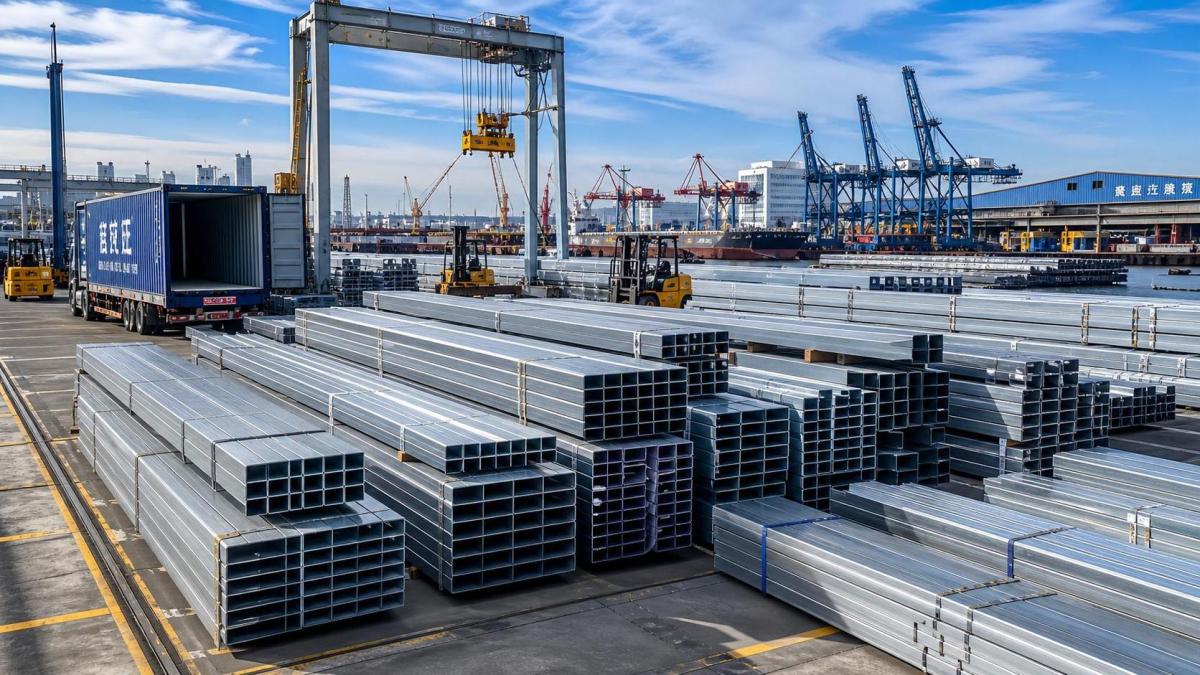
The confirmed development is that the U.S. Department of Commerce officially initiated, on July 9, 2026, the first expedited sunset review of the anti-dumping and countervailing duty orders on cold-formed steel products originating in China. The existing trade remedy orders have been in effect since 2023, and this review will determine whether they remain in place through 2029.
The review concerns both anti-dumping and countervailing measures. Based on the information provided, the outcome has direct relevance to U.S. import clearance costs, supplier compliance access, and the continued qualification of Chinese exporting companies.
Why Different Market Participants Are Watching Closely
Import-side cost planning is exposed
From an industry perspective, U.S. importers are among the most immediately affected participants because the review may shape the duty environment that applies to future entries. The main business impact is not limited to customs processing itself; it also reaches landed-cost planning, supplier selection, and contract assumptions tied to medium-term purchasing cycles.
What deserves closer attention is whether companies are treating the review as a live compliance issue rather than a distant policy headline. For importers, the practical concern is how to prepare for a duty framework that may continue to influence transactions for several more years.
Supplier access and qualification remain a business issue
For suppliers and exporters connected to this product category, the review matters because compliance access is part of market access. If the current orders continue, supplier qualification for U.S.-related business will remain closely tied to documentation, trade treatment, and eligibility maintenance rather than price alone.
Analysis shows that this is especially relevant for businesses whose sales depend on continuity with existing buyers. The key issue is not only whether products can be offered, but whether supplier status can be sustained under the current trade remedy structure.
Downstream buyers may face procurement uncertainty
Manufacturers, distributors, and procurement teams that rely on cold-formed steel products may also need to monitor the review even if they are not the direct party named in customs documents. Their exposure is typically indirect but commercially meaningful, particularly where sourcing schedules, quotations, and delivery commitments depend on predictable import conditions.
Observably, the review introduces a planning variable into supply chain discussions. The immediate question for these participants is not the final outcome yet, but whether sourcing assumptions for the U.S. market remain stable under the current policy timeline.
Operational Priorities for Companies Now
Track official wording, not just headlines
Companies should pay close attention to how official statements describe the scope and progression of the sunset review. In this type of situation, a broad news takeaway and the actual procedural language are not always the same in operational terms. The distinction matters for internal compliance review, customer communication, and contract interpretation.
Review product and customer exposure carefully
Businesses should identify which product lines, customer relationships, or U.S.-linked transactions are directly tied to cold-formed steel products covered by the existing orders. The current development is relevant not only at the corporate level, but at the level of specific categories, shipments, and account structures.
Prepare documentation and communication paths early
For exporters, suppliers, and service providers, it is prudent to review whether qualification-related records, trade documents, and customer-facing explanations are organized for ongoing scrutiny. For importers and buyers, internal communication between procurement, customs, legal, and sales teams may become more important if customers seek clarity on cost or supply continuity.
Separate policy direction from immediate execution
Analysis shows that businesses should avoid treating the launch of the review as a final commercial outcome. At the same time, it should not be dismissed as routine background noise. The more practical approach is to treat it as an active policy process with potential implications for purchasing, delivery planning, and supplier management.
How This Development Is Best Understood at This Stage
Observably, this development is more appropriately understood as a continuing trade-policy signal rather than a newly settled market result. The fact now confirmed is the opening of the expedited sunset review and the decision path it creates for the current orders through 2029.
From an industry perspective, the importance lies in the time horizon. Because the review may influence the framework applying over the next four years, market participants are likely to read it as a medium-term planning issue rather than a one-day regulatory event. That said, the information provided does not establish the final direction of the review, so further observation remains necessary.
What the Industry Can Conclude for Now
At this point, the clearest takeaway is that U.S.-China trade involving cold-formed steel products remains under active policy review, with direct implications for customs cost exposure, supplier compliance access, and exporter qualification. This is not yet a confirmed change in duty treatment, but it is a development that can shape business decisions well before any final outcome is fully absorbed by the market.
It is more appropriate to understand this event as a live and material review process that deserves continued attention from importers, exporters, procurement teams, and supply chain operators connected to the U.S. market.
Basis of This Article and What Still Needs Verification
This article is based on the user-provided news title, event date, and event summary. The analysis has been limited to those confirmed inputs and does not add unverified data, case details, or procedural outcomes.
For developments of this kind, market participants typically also monitor source types such as official government notices, company disclosures, industry association updates, authoritative media coverage, and relevant standard or trade-related documents. A specific official source link was not provided in the input, so the exact primary documentation still requires ongoing verification. The next points to watch are any further official wording on the review process and any confirmation affecting the continuation of the existing orders through 2029.
By clicking 'Allow All', you agree to the storage of cookies on your device to enhance site navigation, analyze site usage and assist with our marketing efforts. Coo Cookie Notice